
For Millwall, the prospect of Premier League football is no longer just a distant dream; it is a potential financial revolution.
After decades of stability in the second tier, the Lions are eyeing the “promised land,” where the rewards for promotion have reached unprecedented heights. In the 2025/26 season, reaching the top flight isn’t just about prestige—it is about a guaranteed revenue uplift that could transform the club from top to bottom.
Historically, Millwall has operated on one of the more modest budgets in the Championship. Recent financial results for the 2024/25 period showed the club slashing losses to just £0.3 million, largely thanks to record player sales like Zian Flemming. However, promotion would move the club into a different stratosphere. Conservative estimates suggest that even a single season in the Premier League is now worth a minimum of £120 million in additional revenue, primarily driven by the league’s lucrative domestic and international broadcasting deals.
Broadcasting and Matchday: The Revenue Surge
The “equal share” distribution is the cornerstone of Premier League wealth. For the current cycle, every club receives approximately £97 million regardless of their league position or how many times they appear on television. For a club like Millwall, whose total annual revenue currently hovers around the £24 million mark, this represents a 400% increase from a single source of income.
- TV Facility Fees: Every time Millwall were selected for live broadcast in the UK, they would earn roughly £1 million per match.
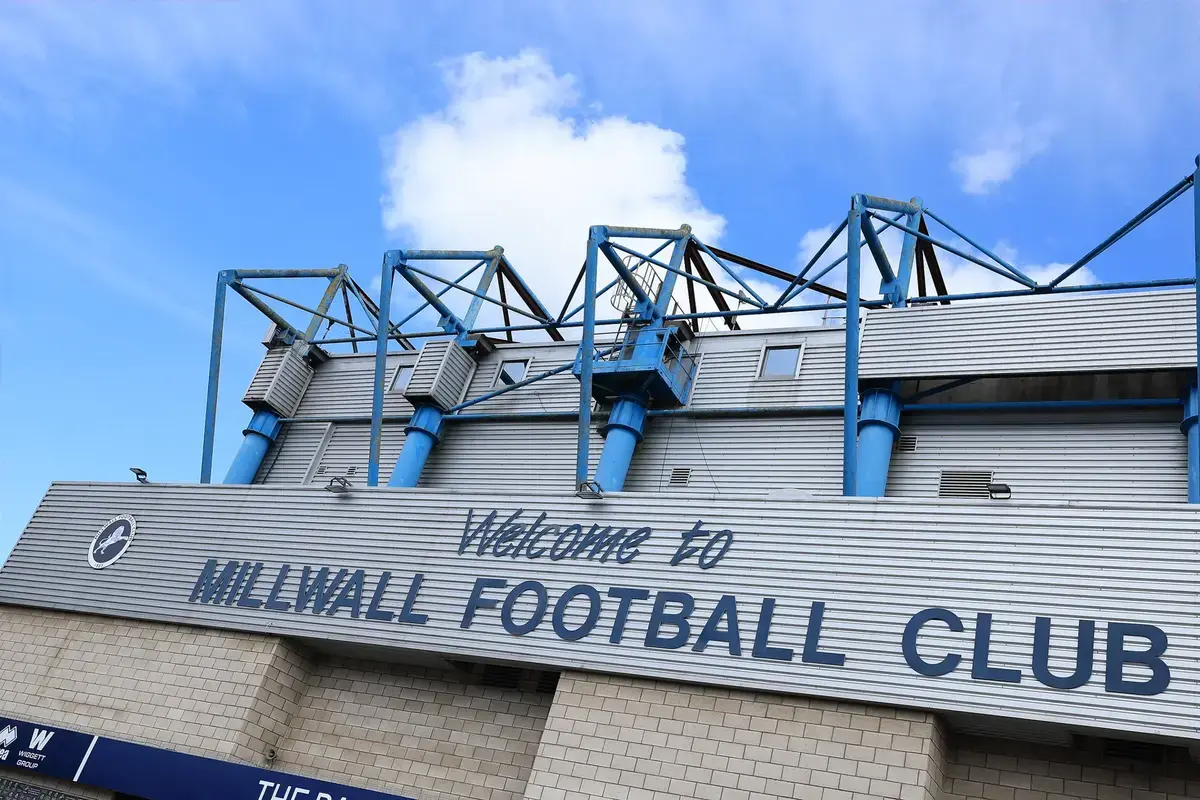
- Matchday Income: While The Den is famous for its atmosphere, its 20,000 capacity is currently one of the smallest in the top flight. Promotion would likely trigger the long-discussed expansion to 34,000, significantly boosting gate receipts and hospitality revenue, which stayed flat at £7.3 million last season.
- Commercial Growth: The global exposure of the Premier League allows clubs to command vastly higher fees for kit sponsorships and stadium naming rights.
Strategic Module: The “Parachute” Safety Net
Perhaps the most vital financial aspect of promotion is the security provided by parachute payments if the club were to be relegated immediately. These payments ensure that the “cliff edge” between the two leagues doesn’t lead to financial ruin, allowing the club to maintain a higher wage bill in the Championship.
| Year Post-Relegation | Estimated Payment | Percentage of PL Equal Share |
|---|---|---|
| Year 1 | £45m – £50m | 55% |
| Year 2 | £35m – £40m | 45% |
| Year 3* | £15m – £20m | 20% |
*Note: Clubs relegated after only one season in the Premier League typically do not receive the Year 3 payment.
New Financial Rules: SCR and the Sustainability Test
Promotion in 2026 comes with new challenges. The Premier League’s new Squad Cost Ratio (SCR) rules limit spending on wages and agents to 85% of total revenue. While this gives promoted clubs more “room” than the previous PSR system, Millwall would still need to navigate the Sustainability and Systemic Resilience (SSR) test, which requires clubs to prove they have adequate cash reserves to survive economic shocks.
Chairman James Berylson has been a steadfast supporter, recently investing a further £15.7 million to support the club’s ambitions. Promotion would finally allow the club to move away from owner-dependency and towards a self-sustaining model. With the 999-year lease on The Den now secured, the infrastructure is in place. All that remains is for the team on the pitch to secure the most valuable prize in world football.